

SHORT COURSES
SC 1 – Modern HPLC Separation in Theory and Practice
SATURDAY, 5 SEPTEMBER 2026, 9:30 – 17:00
Your Title Goes Here
Your content goes here. Edit or remove this text inline or in the module Content settings. You can also style every aspect of this content in the module Design settings and even apply custom CSS to this text in the module Advanced settings.
READ MORE ABOUT THE COURSE
Modern HPLC Separation in Theory and Practice
High-performance liquid chromatography (HPLC) is one of the most powerful and widely applied separation techniques in modern analytical chemistry. This short course provides a comprehensive introduction to contemporary HPLC, combining fundamental chromatographic theory with practical guidance relevant to everyday analytical practice.
In the first part, we will focus on the overview of key separation principles, including compound retention, selectivity, separation efficiency, and gradient elution. We will cover HPLC instrumentation, column technologies, and stationary phase chemistry, with emphasis on how these factors influence separation efficiency and selectivity, but also method robustness.
Subsequently, the course introduces different separation modes and recent developments in liquid chromatography, including ultra-high-performance liquid chromatography (UHPLC), high-temperature LC, supercritical fluid chromatography (SFC), and two-dimensional liquid chromatography (2D-LC). Practical strategies for method development and optimization are emphasized throughout the course, enabling participants to apply modern HPLC solutions effectively in their own work.
Participants will gain a solid understanding of HPLC theory, practical method development, and an overview of current trends in UHPLC, SFC, and multidimensional LC. The course concludes with an interactive knowledge quiz, offering participants an opportunity to test their understanding and compete for a copy of the book Modern HPLC Separations in Theory and Practice, authored by the course instructors. The course also offers a unique opportunity to meet all the book authors in person and to have your own book copy signed.
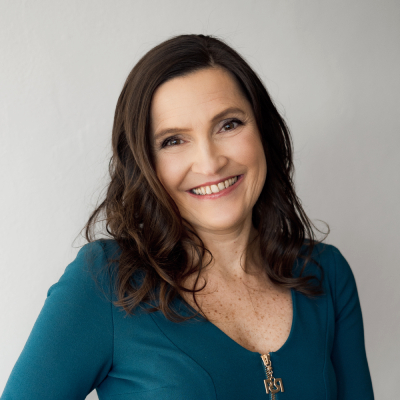
Lucie Nováková
Your Title Goes Here
Your content goes here. Edit or remove this text inline or in the module Content settings. You can also style every aspect of this content in the module Design settings and even apply custom CSS to this text in the module Advanced settings.
Lucie Nováková is a Full Professor in Analytical Chemistry at the Charles University, Faculty of Pharmacy in Hradec Králové, Czech Republic. Her research is focused on separation techniques, including UHPLC, SFC and their coupling to mass spectrometry. She is involved in a wide scope of research projects in pharmaceutical analysis, doping control, plant analysis, and bioanalytical methods. She authored the book on HPLC theory and practice in Czech and in English (https://czechhplcbook.com) and ten book chapters. She published almost 180 peer-reviewed scientific articles with more than 6600 citations and an h-index of 44. She is also widely involved in teaching and education activities.
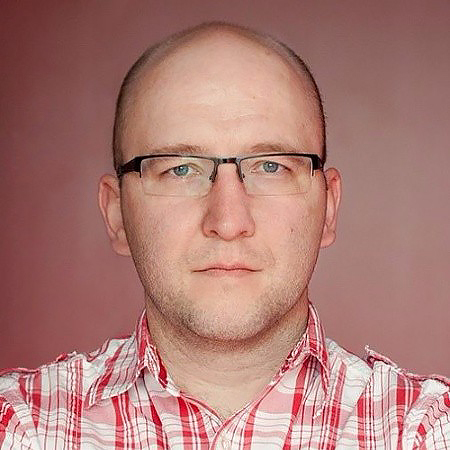
Jiří Urban
Your Title Goes Here
Your content goes here. Edit or remove this text inline or in the module Content settings. You can also style every aspect of this content in the module Design settings and even apply custom CSS to this text in the module Advanced settings.
Jiri Urban received his Ph.D. in 2007 under the supervision of Pavel Jandera at the University of Pardubice, Czech Republic, where he remained until 2016. From 2009 to 2011, he conducted postdoctoral research at the University of California, Berkeley, USA, in the groups of Frantisek Svec and Jean M. J. Fréchet. In 2017, he joined the Department of Chemistry at Masaryk University in Brno, Czech Republic, where he was appointed Associate Professor in 2018 and subsequently became a Full Professor in 2025. His research focuses on the use of multifunctional polymer monoliths for developing new analytical methods applicable to metabolomics and proteomics. He also investigates retention modeling in chromatographic method development and the design of novel instrumental setups for two-dimensional liquid chromatography.
Petr Česla
Your Title Goes Here
Your content goes here. Edit or remove this text inline or in the module Content settings. You can also style every aspect of this content in the module Design settings and even apply custom CSS to this text in the module Advanced settings.
Petr Česla is an Associate Professor and Head of the Department of Analytical Chemistry at the Faculty of Chemical Technology, University of Pardubice, Czech Republic. His research focuses on the development of liquid chromatographic separations, including two-dimensional separations, retention modeling, and optimization procedures. The main application areas of his work include the analysis of naturally occurring plant metabolites, pharmaceuticals, and industrial samples such as surfactants, oligomers and synthetic dyes. He also represents the Czech Republic in the Central European Group of Separation Sciences.
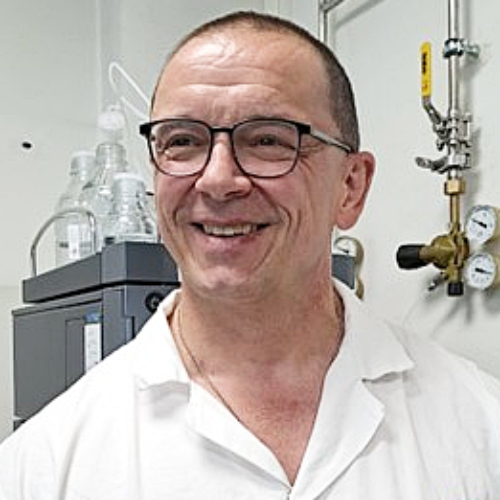
Michal Douša
Your Title Goes Here
Your content goes here. Edit or remove this text inline or in the module Content settings. You can also style every aspect of this content in the module Design settings and even apply custom CSS to this text in the module Advanced settings.
Michal Douša has served as the Head of the Separation Methods Department at the pharmaceutical company Zentiva since 2007. His research focuses on separation techniques, particularly HILIC, chiral separation, and derivatization techniques. He has prior experience in HPLC analysis of soil, food, and feed. He is the author of a book on HPLC theory and practice and one book chapter. He has published over 67 articles, accumulating more than 1039 citations (h-index 20). He is also actively involved in teaching and educational activities, including HPLC and validation training courses. He serves as the Chairman of the Czech Chromatography School association.
SC 2 – mzmine for LC-MS data analysis
SATURDAY, 5 SEPTEMBER 2026, 9:30 – 16:00
Your Title Goes Here
Your content goes here. Edit or remove this text inline or in the module Content settings. You can also style every aspect of this content in the module Design settings and even apply custom CSS to this text in the module Advanced settings.
READ MORE ABOUT THE COURSE
mzmine for LC-MS data analysis: From raw data to feature table using the mzwizard

Steffen Heuckeroth
Your Title Goes Here
Your content goes here. Edit or remove this text inline or in the module Content settings. You can also style every aspect of this content in the module Design settings and even apply custom CSS to this text in the module Advanced settings.
Steffen studied chemistry at the University of Münster, Germany from 2015 until 2020 and received his PhD in Analytical Chemistry in 2024, developing ion mobility support for the mzmine platform. Since 2024 he is the CTO and co-founder of mzio, further supporting the mzmine development.
SC 3 – The Analytical Procedure Lifecycle Approach: from Procedure Design to Performance Assessment using AQbD Principles
SUNDAY, 6 SEPTEMBER 2026, 8:30 – 11:45
Your Title Goes Here
Your content goes here. Edit or remove this text inline or in the module Content settings. You can also style every aspect of this content in the module Design settings and even apply custom CSS to this text in the module Advanced settings.
READ MORE ABOUT THE COURSE
The Analytical Procedure Lifecycle Approach: from Procedure Design to Performance Assessment using AQbD Principles
Not only the pharma and biopharmaceutical industry, but also academic laboratories, are increasingly embracing risk-based approaches such as the analytical procedure lifecycle approach to enhance analytical procedure management, as highlighted in recent guidelines such as USP <1220> and ICH Q14/Q2(R2). These guidelines emphasize the integration of Analytical Quality by Design (AQbD) principles to ensure robust, reliable, and fit-for-purpose analytical procedures throughout the procedure lifecycle.
This course offers a comprehensive overview of the Analytical Procedure Lifecycle (APLC) framework, emphasizing best practices for procedure design and the application of quality risk management principles in analytical procedure management.
Key topics include defining Analytical Target Profile (ATP) performance requirements, utilizing enhanced approaches and risk assessment tools (e.g., Design of Experiments (DoE) and modelling tools) for procedure design, performing advanced robustness assessments, and establishing the Method Operable Design Region (MODR) and develop analytical control strategies.
The assessment of analytical methods performance according to ICH Q14 and ICH Q2(R2) is also discussed, from response function evaluation to accuracy and precision either in a traditional or enhanced validation approach. The question about appropriate statistical intervals to be used for this task is answered, proposals are given to estimate procedure performance in routine use according to the recent revision of USP <1225> “Validation of analytical procedures”.
The course highlights practical approaches, supported by case studies, to demonstrate the real-world implementation of these concepts for small and large molecules. Additionally, a brief overview of Stage 3—Procedure Performance Qualification and Ongoing Performance Verification—will be presented, including discussions on recent guidelines such as USP <1221>.
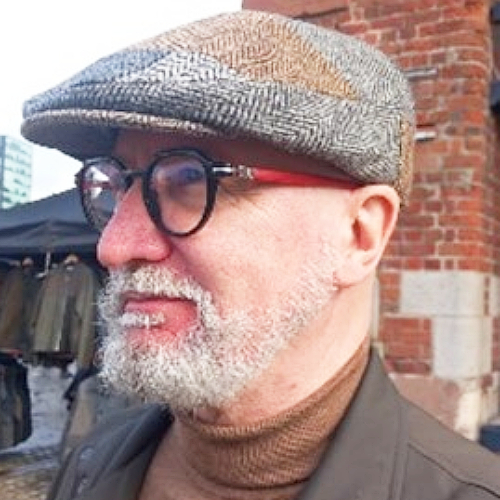
Jean-Marc Roussel
Your Title Goes Here
Your content goes here. Edit or remove this text inline or in the module Content settings. You can also style every aspect of this content in the module Design settings and even apply custom CSS to this text in the module Advanced settings.
Jean-Marc Roussel holds a PhD in Analytical Chemistry and has been an associate to Paris-Saclay university for 12 years. With almost 40 years’ experience in the development and statistical assessment of analytical methods, he is an independent consultant since 2002 and is deeply involved in the concept of Analytical Methods Life Cycle, particularly as co-designer of NeoLiCy® software for statistical evaluation of analytical methods. He is with the United States Pharmacopeia (USP), Pharmaceutical Analysis Lifecycle and Data Science Experts Committee, and with several experts’ committees from the French Society for Pharmaceutical Sciences and Techniques (SFSTP) and A3P association.

Amanda Guiraldelli Mahr
Your Title Goes Here
Your content goes here. Edit or remove this text inline or in the module Content settings. You can also style every aspect of this content in the module Design settings and even apply custom CSS to this text in the module Advanced settings.
Amanda Guiraldelli Mahr is a senior scientist at the RIC group in Belgium, specialized in chromatographic and LC-MS strategies for biopharmaceutical and small molecule analysis. With more than 17 years of experience in analytical development, she leads the design and qualification of procedures for release testing, stability studies, and structural characterization of monoclonal antibodies, peptides, and oligonucleotides, with strong expertise in SEC, IEX, RPLC, HILIC, HIC, and high-resolution MS workflows. She drives the implementation of ICH Q2(R2), Q14, and Analytical Quality by Design (AQbD) principles in collaboration with global biopharmaceutical partners. Amanda serves as a member of the United States Pharmacopeia (USP) Pharmaceutical Analytical Lifecycle and Data Science Expert Committee and is a board member of the ECA Analytical Quality Control Group. Before joining RIC, she spent more than 12 years at USP, where she worked both as a Senior Scientist – leading method development and validation projects, impurity analysis by LC-MS/GC-MS, and reference standards characterization by LC-HRMS – and as a Scientific Affairs Manager, contributing to major standards such as <1220> and <1225> and driving initiatives in AQbD, predictive modeling, and analytical procedure lifecycle management. She holds a bachelor’s degree in Pharmacy–Biochemistry and a Ph.D. in Analytical Chemistry, and has been a visiting scientist at TU Berlin and Leiden University, focusing on LC-HRMS-based protein analysis.
SC 4 – Interpretation of Mass Spectra: Basic Introduction for Chromatographers
SUNDAY, 6 SEPTEMBER 2026, 8:30 – 11:45
Your Title Goes Here
Your content goes here. Edit or remove this text inline or in the module Content settings. You can also style every aspect of this content in the module Design settings and even apply custom CSS to this text in the module Advanced settings.
READ MORE ABOUT THE COURSE
Interpretation of Mass Spectra: Basic Introduction for Chromatographers
Mass spectrometry has become an essential tool in modern liquid chromatography, yet many chromatographers receive limited formal training in mass-spectral interpretation. This introductory short course provides a practical guide to understanding and interpreting mass spectra generated by the atmospheric-pressure ionization techniques coupled with LC: electrospray ionization (ESI), atmospheric-pressure chemical ionization (APCI), and atmospheric-pressure photoionization (APPI). The course begins by outlining the information that mass spectrometry adds beyond a chromatogram and clarifying which analytical questions mass spectrometry can – and cannot – answer. Participants receive a concise refresher on mass-spectrometric fundamentals, along with an introduction to key terminology. The principles and practical consequences of ionization methods are then discussed, with emphasis on how ionization physics, LC conditions, and mobile-phase additives shape spectral appearance. Building on this foundation, the course develops practical skills for interpreting LC-ESI spectra: locating the molecular ion, determining charge state, recognizing common adducts, distinguishing in-source artefacts, and using isotope patterns to support elemental-composition hypotheses. Participants then explore how MS/MS fragmentation provides structural clues, with straightforward rules of thumb for neutral losses and class-specific fragmentation behaviors. The course concludes with an integrative exercise that synthesizes chromatographic, full-scan, and MS/MS information to support spectral interpretation. By the end, participants will be equipped with the essential skills needed to interpret LC-MS spectra effectively and to apply mass-spectrometric reasoning in routine chromatographic analysis.
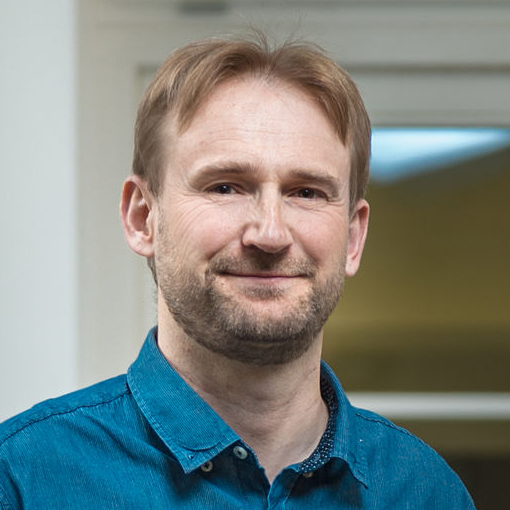
Josef Cvačka
Your Title Goes Here
Your content goes here. Edit or remove this text inline or in the module Content settings. You can also style every aspect of this content in the module Design settings and even apply custom CSS to this text in the module Advanced settings.
Josef Cvačka is head of the Mass Spectrometry Group at the Institute of Organic Chemistry and Biochemistry of the Czech Academy of Sciences and an associate professor at the Faculty of Science, Charles University in Prague. His research focuses on the structural analysis of bioactive organic compounds using advanced mass-spectrometric techniques. He develops methods for pinpointing double-bond and methyl-branching positions in lipids and aims to discover new lipid classes in biological samples. His laboratory also designs new ion sources for MS and HPLC/MS. He teaches and supervises students at Charles University and founded the Czech Museum of Mass Spectrometry.
SC 5 – Hydrophilic Interaction Liquid Chromatography
SUNDAY, 6 SEPTEMBER 2026, 8:30 – 11:45
Your Title Goes Here
Your content goes here. Edit or remove this text inline or in the module Content settings. You can also style every aspect of this content in the module Design settings and even apply custom CSS to this text in the module Advanced settings.
READ MORE ABOUT THE COURSE
Hydrophilic Interaction Liquid Chromatography
Hydrophilic Interaction Chromatography (HILIC) has become an essential separation mode for the analysis of polar compounds that are poorly retained in reversed-phase LC. This chromatographic mode is more and more widely used in pharmaceutical analysis, biopharmaceutical characterization, and, above all, metabolomics, where enhanced retention, improved MS sensitivity, and complementary selectivity are indispensable. Despite its power, HILIC remains perceived as complex due to its mixed retention mechanisms, sensitivity to experimental conditions, and limited repeatability. A dedicated short course is therefore required to help users understand this technique in a robust and efficient way.
This course will provide an in-depth and practical overview of HILIC fundamentals, starting with a discussion of the relatively complex retention mechanism. Particular emphasis will be placed on critical operational parameters such as sample diluent effects, which can drastically impact peak shape and retention, and on achieving good repeatability in gradient mode.
Participants will also learn how coupling HILIC with MS can maximize sensitivity, and how to select both mobile phase components and stationary phases to obtain reliable and reproducible separations. Numerous applications will be covered, including typical small-molecule analyses, comprehensive metabolomic workflows, and the characterization of large biopolymers such as oligonucleotides, peptides, and proteins.
In the end, this short course will help participants to confidently implement and troubleshoot HILIC in modern analytical laboratories.
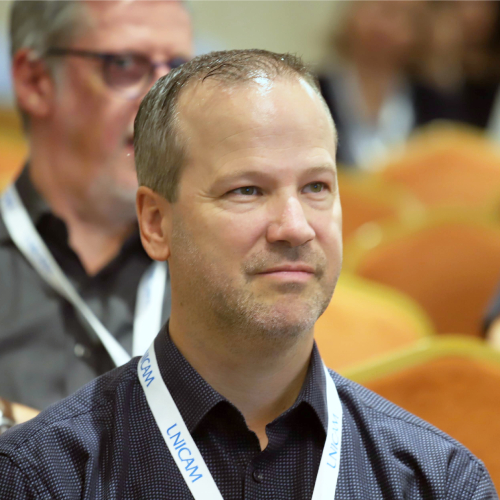
Davy Guillarme
Your Title Goes Here
Your content goes here. Edit or remove this text inline or in the module Content settings. You can also style every aspect of this content in the module Design settings and even apply custom CSS to this text in the module Advanced settings.
Davy Guillarme currently serves as an associate professor at the University of Geneva in Switzerland. With over 350 published journal his expertise spans various techniques, including UHPLC, HILIC, LC−MS, SFC, SFC-MS, multidimensional LC, and application to the characterization of biopharmaceuticals.
He is an editor of the Journal of Chromatography A and serves on the editorial advisory board of various other journals.
Davy Guillarme has been honored with the LC-GC Emerging Leader Award in Chromatography (2013), the Jubilee Medal from the Chromatographic Society (2018), the International Award of the Belgian Society of Pharmaceutical Sciences (2022) and the Csaba Horvath memorial award (2025).
SC 6 – Oligonucleotides and Other Biopharmaceuticals
SUNDAY, 6 SEPTEMBER 2026, 12:30 – 15:45
Your Title Goes Here
Your content goes here. Edit or remove this text inline or in the module Content settings. You can also style every aspect of this content in the module Design settings and even apply custom CSS to this text in the module Advanced settings.
READ MORE ABOUT THE COURSE
Analysis of nucleic acid and protein-based pharmaceuticals
The pharmaceutical industry has undergone a profound transformation over the past four decades driven by continuous innovation in therapeutic and prophylactic modalities. While small molecules have been the foundation of medicine for ages, successive waves have introduced biologics such as recombinant proteins and antibodies, in addition to nucleic acid and cell-based products. Each wave has expanded our ability to treat diseases but also challenged us, analytical scientists, to build a toolbox to characterize these ever more complex modalities. This short course will cover chromatographic and mass spectrometric methods for analyzing nucleic acid and protein-based medicines including antisense oligonucleotides (ASOs), small interfering ribonucleic acid (siRNA) and larger nucleic acids such as messenger RNA (mRNA), in addition to monoclonal antibodies (mAbs), antibody-drug conjugates (ADCs) and antibody-oligonucleotide conjugates (AOCs).
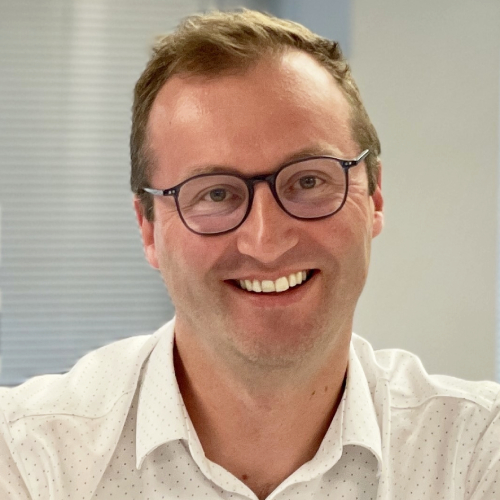
Koen Sandra
Your Title Goes Here
Your content goes here. Edit or remove this text inline or in the module Content settings. You can also style every aspect of this content in the module Design settings and even apply custom CSS to this text in the module Advanced settings.
Koen Sandra received a PhD degree in Biochemistry from the Ghent University, Belgium in 2005. After his PhD, he joined Pronota, a molecular diagnostics company where he was active in developing analytical platforms for disease biomarker discovery and in setting up external collaborations. In 2008, he joined RIC, a company that provides analytical support to the chemical, life sciences and pharmaceutical industries, where he holds the position of CEO. As a non-academic scientist, Koen Sandra is author of over 50 highly cited scientific papers and has presented his work at numerous conferences as an invited speaker.
Amanda Guiraldelli Mahr
Your Title Goes Here
Your content goes here. Edit or remove this text inline or in the module Content settings. You can also style every aspect of this content in the module Design settings and even apply custom CSS to this text in the module Advanced settings.
Amanda Guiraldelli Mahr is a senior scientist at the RIC group in Belgium, specialized in chromatographic and LC-MS strategies for biopharmaceutical and small molecule analysis. With more than 17 years of experience in analytical development, she leads the design and qualification of procedures for release testing, stability studies, and structural characterization of monoclonal antibodies, peptides, and oligonucleotides, with strong expertise in SEC, IEX, RPLC, HILIC, HIC, and high-resolution MS workflows. She drives the implementation of ICH Q2(R2), Q14, and Analytical Quality by Design (AQbD) principles in collaboration with global biopharmaceutical partners. Amanda serves as a member of the United States Pharmacopeia (USP) Pharmaceutical Analytical Lifecycle and Data Science Expert Committee and is a board member of the ECA Analytical Quality Control Group. Before joining RIC, she spent more than 12 years at USP, where she worked both as a Senior Scientist – leading method development and validation projects, impurity analysis by LC-MS/GC-MS, and reference standards characterization by LC-HRMS – and as a Scientific Affairs Manager, contributing to major standards such as <1220> and <1225> and driving initiatives in AQbD, predictive modeling, and analytical procedure lifecycle management. She holds a bachelor’s degree in Pharmacy–Biochemistry and a Ph.D. in Analytical Chemistry, and has been a visiting scientist at TU Berlin and Leiden University, focusing on LC-HRMS-based protein analysis.
SC 7 – Statistical Analysis and Visualization of Quantitative LC/MS Data in R
SUNDAY, 6 SEPTEMBER 2026, 12:30 – 15:45
Your Title Goes Here
Your content goes here. Edit or remove this text inline or in the module Content settings. You can also style every aspect of this content in the module Design settings and even apply custom CSS to this text in the module Advanced settings.
READ MORE ABOUT THE COURSE
Statistical Analysis and Visualization of Quantitative LC/MS Data in R
Liquid chromatography-mass spectrometry-based large-scale metabolomic and lipidomic studies generate extensive and complex datasets whose rigorous analysis and clear visualization are critical for uncovering biologically meaningful alterations across experimental conditions.
This short course provides a structured introduction to statistical data analysis and visualization in R, offering participants a solid foundation for independent further study. The course begins with guidance on installing and setting up R and RStudio, followed by data import and wrangling, imputation of missing values, transformation and scaling, computation of basic descriptive statistics, and visualization using box plots. Participants will also be introduced to univariate statistical approaches, including t-test, ANOVA, and post-hoc testing, as well as multivariate methods such as principal component analysis (PCA). Attendees will gain practical experience with widely used R libraries, including the tidyverse, rstatix, ggstatsplot, tidyplots, FactoMineR, mixOmics, base R functions, and others.
By the end of the course, participants will be equipped with essential tools to perform basic statistical analyses and generate simple publication-ready visualizations for metabolomic and lipidomic data.

Jakub Idkowiak
Your Title Goes Here
Your content goes here. Edit or remove this text inline or in the module Content settings. You can also style every aspect of this content in the module Design settings and even apply custom CSS to this text in the module Advanced settings.
Jakub Idkowiak earned his Ph.D. in analytical chemistry from the University of Pardubice, Czech Republic, under the supervision of Professor Michal Holčapek, focusing on mass spectrometry of lipids and their quantitation in biological matrices. He is currently a research associate in the Laboratory of Lipid Metabolism and Cancer at KU Leuven, Belgium, led by Professor Johannes Swinnen. His research involves developing analytical methods for lipid detection and quantitation using direct infusion mass spectrometry, mass spectrometry imaging, and liquid chromatography–mass spectrometry. He is also interested in statistical analysis, data visualization, and applying -omics technologies to study lipid metabolism in cancer.
SC 8 – Supercritical Fluids in Chromatography and Extraction
SUNDAY, 6 SEPTEMBER 2026, 12:30 – 15:45
Your Title Goes Here
Your content goes here. Edit or remove this text inline or in the module Content settings. You can also style every aspect of this content in the module Design settings and even apply custom CSS to this text in the module Advanced settings.
READ MORE ABOUT THE COURSE
Supercritical Fluids in Chromatography and Extraction
Supercritical fluids have been widely used in the past 50 years, for extraction, purification or analytical purposes. Their intermediate properties between liquids and gases render them particularly attractive, providing both high diffusivities and good solvation properties. The preferred fluid is carbon dioxide, generally recognized as a safe solvent (GRAS) and possessing several desirable features including the low values of critical pressure and temperature, low price and miscibility to a large range of organic solvents.
In this short course, we will focus on the following aspects:
- Fundamental properties of supercritical fluids in general, and CO2 in particular
- Solubility in supercritical CO2 and co-solvents
- SFE instruments
- SFE method development for selective extraction
- SFE applications to natural products and other samples
- SFC instruments for analytical and preparative purposes, including detection and MS hyphenation
- SFC method development for achiral and chiral separations
- SFC analytical applications including pharmaceuticals, natural products, cosmetics and others.
- SFC transfer to preparative scale, with industrial examples.
Isabelle François
Your Title Goes Here
Your content goes here. Edit or remove this text inline or in the module Content settings. You can also style every aspect of this content in the module Design settings and even apply custom CSS to this text in the module Advanced settings.
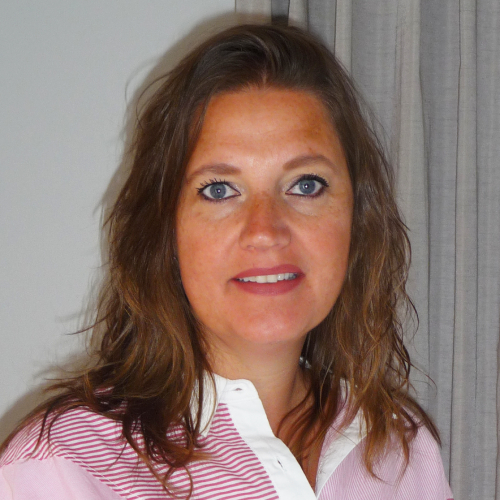
Isabelle is the founder of Chromisa Scientific, a consultancy company based in Belgium. She supports academia as well as industry with demanding extraction, chromatography, purification and project management challenges, offering customization, training and support.
Isabelle holds a PhD in analytical chemistry (acquired in the group of Pat Sandra), and has been working with analytical and CO2 technologies since more than 15 years across many industries (during her PhD as well as during her career at Waters and through collaborations with Thar Process and De Dietrich). Next to her expertise in the domain of supercritical fluids, she is also considered as a subject matter expert for two-dimensional fluid based technologies. Isabelle has been awarded numerous times in the Powerlists of the magazine “The Analytical Scientist” eg as one of the most influential female scientists in the world in 2016. Isabelle is still closely connected to the scientific community, contributing to cutting-edge research as well as publishing and reviewing articles on a regular basis, and she is often invited as a speaker at scientific conferences.
Caroline West
Your Title Goes Here
Your content goes here. Edit or remove this text inline or in the module Content settings. You can also style every aspect of this content in the module Design settings and even apply custom CSS to this text in the module Advanced settings.
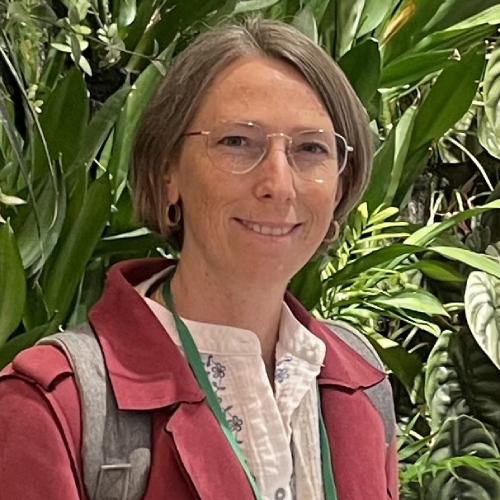
Caroline West is a full professor at the University of Orleans, France. She is a specialist of SFC, with or without hyphenation to extraction methods and/or MS, to analyze samples of pharmaceutical interest and natural products. She has authored about 140 papers and book chapters, and has presented about 130 lectures in conferences and seminars. In 2015, she received the “LC‐GC Emerging Leader in Chromatography” award. She was ranked several times among the most influential people in analytical chemistry by “The Analytical Scientist” magazine (2014, 2018, 2019, 2020 & 2021), received the Jubilee medal from the Chromatographic Society (2021) and the JFK Huber Award Lecture from the Austrian Society for Analytical Sciences (2025).

FOLLOW US ON SOCIAL MEDIA